Did you know? What are lost pet posts and holds?

What does it mean when Animal Shelters post stray pets on social media and what is a lost pet hold in Virginia.

"Did you know" Lynchburg Humane Society logo, a green dog icon that has a confused head tilt

If you follow our social media, you have probably seen our posts of photos of lost pets that were brought to our Center.  These posts include the location where they were found. Why do we post these? A little background first: the Lynchburg Humane Society is a private, 501c3 nonprofit organization. We take in pets from the City of Lynchburg to fulfill the city’s state mandated shelter requirements for Lynchburg. Pets from the City of Lynchburg account for a little more than 50% of our annual intake and include pets that are required to be held for health department quarantines, are awaiting court hearings, and of course stray (lost) pets and pets surrendered by their owners who live in Lynchburg. 

It is our responsibility and policy as a shelter, to try our best to find the owners of pets that come into the Center for Pets as lost/stray pets. Pets who come in as lost, receive an initial examination by our medical team including vaccinations and scanning for a microchip. Our awesome Pet Help team researches if a microchip or any other identification is found, posts lost pets on social media, investigates any leads for possible owners, and keeps records of all of these. 

Why do Animal Shelters post lost pets on social media?

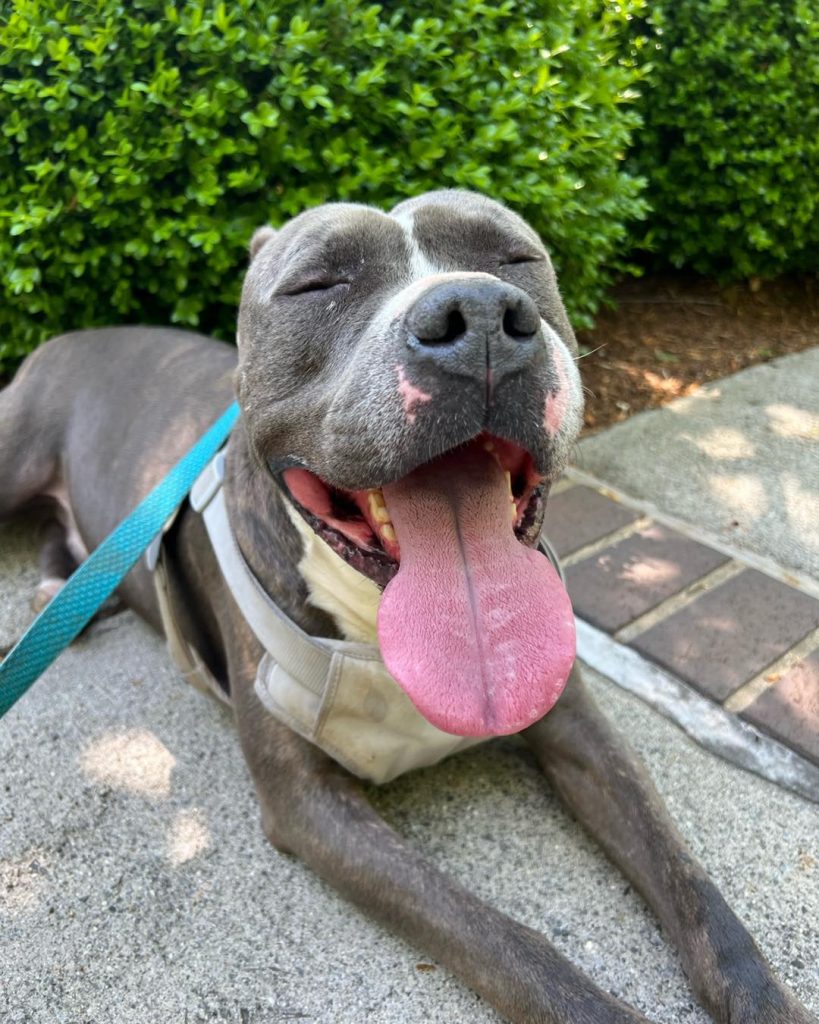
Lost Pet Picture for Jane, who is now adoptable at LHS!

If a pet’s family isn’t immediately found upon their arrival at LHS, they get posted on our social media! (There are a few exclusions to this, like neonate kittens that come from community cat mothers.) Posting lost pets on social media has proven to be effective in reuniting pets with their owners. We, here in Lynchburg, are especially lucky to have such active folks on social media committed to helping communicate to reunite pets with their families. In addition to social media, our Pet Help team investigates all other avenue’s possible to help reunite pets with their families. 

What are stray holds in Virginia?

Pets that are posted as lost on our social media are not available for adoption. These pets are in their state-mandated lost-pet hold periods. Lost-pet hold periods last no less than five days for any pet and last just over 10 days for pets that have identification. Identification includes, but is not limited to a collar, tag, microchip, spay/neuter scar or tattoo. These lost pet holds are designed to give the families time to find their pets before they are possibly adopted by another family. Sadly, there are many cases where a lost pet isn’t reunited with their family. This rate is very high for cats, typically only about 3% of lost cats brought to shelters are reunited with their families and about 57% of the dogs brought into LHS last year were reunited with original families. Obviously, dogs are better off than cats when it comes to being reunited with their families, but with 43% of dogs never being reclaimed by their owner, that is still a lot of dogs that don’t go back to their homes.

What if you’re interested in adopting a lost pet if not reunited with their owners?

If you’re interested in adopting a lost pet if they’re not reunited with their owners, you can reach out to our adoption team! We have a lost pet hold option that will last until they are available for adoption and refunded if they are reunited with their families. You can reach our adoption team at [email protected]!

We Were Adopted! February 7th-13th.

Paddington and 62 other Pets found happiness this week!

Paddington the dog arrived at the Center for Pets at the end of 2022 as a lost pet in need of immediate medical care. Paddington was battling painful, inflamed skin issues covering most of his body and had ear infections in both ears. Paddington received immediate care from our Medical Team including a thorough exam, diagnosis, and treatment. Thanks to the amazing work of both our medical team and our pet care team, Paddington made a full recovery and became available for adoption!

This happy go lucky boy never let any of that get him down and he even made himself a best friend named Marisa who came to see him every day while he was waiting to be adopted.

We are so happy to say that Paddington finally found a family to call his own this past week!

We want to thank Marisa for giving Paddington all the extra love and attention while he was here at the Center, and Beacon Credit Union for Sponsoring this month’s adoption banner.

Adopted Pets from February 7th through February 13th.

Cats that were adopted:

Abbas, Admire, Amethyst, Armando, Binks, Brazil, Butterscotch, Canon, Cherish, Clyde, Cocoa, Delta, Devotion, Eidolon, Elizabeth, Gingersnap, Iggy, Jasmine, Johnny Ryan, Kate, Lorelai, Madeline, Mary, Molasses, Moonstone, Mr. Handsome, Mr. Whiskers, Nikon, Peppermint Patty, Peppoly, Pixel, Rainbow Sprinkles, Razz, Revere, Rosalind, Snowflake, Tabasco, and Tofu.

Dogs that were adopted:

Baby Bumble Bee, Big Boy, Bob, Brother John, Cullen, Diddle Diddle, Easy Peezy, Hokey Pokey, Ladybug, Little Bit, Little Bunny Foo Foo, Madame Giry, Moe, Mona, Oliver, Opus, Paddington, Prince, Puddles, Red, Seal, Squirtle, Symphony, Turkey Lou, and Velvet.

Did you know? What is Kitten Season.

What Kitten Season is and how you can help.

Author: Community Pet Coordinator, Miranda Ward

Kitten season is known as the time that unfixed cats are most likely to have kittens.  Kitten season is typically between March and October. Cats can have litters any time of year, but in the warm months, the number of kittens born alarmingly increases. Cats are very prolific creatures; they reach sexual maturity as young as 4-5 months, have an average of 3-8 kittens per litter, and can have between 2-5 litters per season.

One unfixed female cat can have more than 100 kittens in her lifetime, and assuming that half of those kittens born are females, she and her offspring can go on to have upwards of 300-400 kittens in 7 years. Multiply this by the hundreds of community cats in the area, and that number grows exponentially. The fact of the matter is that there are not enough homes to care for all of the kittens born each year, which is why we want you to know how you can help prevent unwanted litters, and support the litters that are born each year.  

How to help Animal Shelters During Kitten Season

The great news is that we have tons of contacts, resources, and programs to help combat this issue. Here’s how to help!

  • Spay and neuter your pets. The cost to get your LHS pet spayed or neutered is included in our adoption fees! If you have a pet that isn’t an LHS Alum and you’re looking for a low cost option, our Spay/Neuter Clinic is a fantastic choice! Click here for information about the services offered by our Spay/Neuter Clinic.
  • Consider donating to support the cost of care for our kittens! For those interested in making a monetary donation, visit our donation page! Here, you can peruse options for donating such as our Community Cat Fix program which helps subsidize the cost of the thousands of spays and neuters of community cats performed at our Spay/Neuter Clinic, as well as our Shelter Medicine program, which supports the care of every pet who comes through our doors. 
  • Support TNR programs! TNR stands for Trap, Neuter, Release. Dozens of volunteers all over our community find colonies of unfixed outdoor cats and work with local vets and clinics to perform low-cost spays and neuters, treat and vaccinate, and release the pets back into their colonies where they are happiest. If you have a cat colony you would like help with, consider contacting Stray Cat TNR at (434) 515-0456, or visit Central Virginia Regional Rescue’s TNR Assistance page here!
  • Beware of kitten napping. Mother cats move their litters frequently in order to keep them safe. When kittens are very young, their best chances of survival are with mom. If you find kittens alone, give them some space and wait awhile! Mom may be in the process of moving the litter, searching for food, or she may be hiding from you. If the kittens are in unsafe places like parking lots, drainage ditches, or under vehicles, or mom hasn’t returned after several hours, make sure they’re warm, and then reach out to your local shelter or rescue group for help. That may be us, or if you live in a different county, it may be one of our neighboring organizations! 
  • Become a foster! The LHS Center for Pets has a bustling foster program ready to support the several hundreds of kittens we get each year. We provide all supplies free of charge to our fosters and are ready to teach new families how to become Kitten Warriors! From sick orphan bottle babies to healthy, plump kittens with a mom, all our underage babies need foster care. We are always searching for the best match based on our pets needs and our foster families’ preferences and abilities, so we always have the kitten for you! No experience is needed; we have a community of Coordinators and other fosters ready to help you! If you’re ready to become part of this life-saving mission, apply here!

Other blogs from the Lynchburg Humane Society:

We Were Adopted! January 31st- February 6th.

We said cheerio to Cheerio, as well as 35 other pets this week!

Everyone’s favorite greeter, Cheerio found happiness this week! Cheerio was our most talkative cat at the Center, chatting up everyone who walked in. She finally sparked up a conversation with the right person and found herself a family! We are so happy for Cheerio and her new mom!

We want to thank Jack Barkley and Susan Barkley Rice who sponsored Cheerio’s adoption fee, and to Beacon Credit Union for sponsoring this month’s adoption banner!

Adopted Pets from January 31st through February 6th.

Cats that were adopted:

Angelite, Bobby, Brewster, Cheerio, Citrine, Clavicle, Dulce De Leche, Dwayne, Earthsea, Fujifilm, Garnet, Hobie, Jade, Malachite, Maxine, Nermal, Obsidian, Olsen, Orchid, Panasonic, Pyrite, Ram, Tabasco, Templeton, Vitoni, Winnie, and Zavalla

Dogs that were adopted:

Archie, Bashful, Blizzard, Hope, Lucky, Meenie, Noel, Pika, and Toby

Did you know? What No-Kill Really Means

What does it mean for a shelter to be No-Kill?

"Did you know" Lynchburg Humane Society logo, a green dog icon that has a confused head tilt

If you follow the Lynchburg Humane Society, you probably know that we are a no-kill organization.  But what does that mean?   

A 90% save rate is the industry-wide benchmark for no-kill designation. The reason that this percentage isn’t 100% is because national data shows that about 10% of the pets that enter an animal shelter suffer from medical or behavior issues that  may require humane euthanasia due to low quality of life.

Some no-kill organizations will occasionally dip below 90% for various reasons but still be no-kill.  As a matter of fact, the Lynchburg Humane Society has had a save rate for cats in the summer months that is below 90%.  This is because we take in a high number of neonate kittens not just from Lynchburg, but from Amherst, Bedford, Campbell and Appomattox counties, as well as from many other areas.  Those newborn kittens are very fragile and susceptible to diseases, illnesses and many fail to thrive. We also take in many hospice, special needs, and injured pets from other shelters that do not have the resources to treat and save these pets.  We also help keep pets in their homes, so we often will take in a pet for life threatening illnesses or injuries, treat them and get them back in their loving home where they belong. So, because we take in a higher number of sick, injured, or difficult-to-treat animals, we sometimes have a month or two that we do not hit a 90% save rate, but we are still a no-kill organization.  

Life-saving Programs

One of the important elements of no-kill is implementing lifesaving programs. These include, foster, targeted spay/neuter, and community cat programs, as well as removing adoption barriers.  All communities are different and have varying needs for lifesaving programs – but all need to have an open mind and be willing to try new things.  Basing lifesaving programs and decisions on data is imperative in creating and maintaining a no-kill organization.

LHS No-Kill FAQs

Some of the most frequent comments and questions we receive about being a no-kill shelter:

  • Since you are a no-kill shelter, that means you never euthanize, right?  No, we do euthanize – if a pet is suffering or too dangerous to be adopted, we will euthanize to alleviate suffering and for public safety.
  • No-kill shelters hoard pets in unhealthy conditions.  No, a true no-kill shelter in my opinion, responsibly manages their population and cleanliness.  Do your research concerning any organization you want to support – be confident things like this aren’t happening.
  • Some shelters misrepresent their numbers to appear no-kill.  The great thing about Virginia is that all shelters must report their data to the state (you can see any Virginia shelter’s statistics here – https://arr.vdacs.virginia.gov/Reports06 ).  We also report our statistics on our website: https://lynchburghumane.org/about-us/statistical-information/. Thanks to this reporting, you can do your own research on the organizations you support!  

How the Lynchburg Humane Society helps other shelters work towards No-Kill

Mother Hubbard who was transferred in from Appomattox with her 10 nursing puppies.

There are many shelters that are under-resourced and need help to meet the pets’ needs and become no-kill.  That is where the Lynchburg Humane Society and other progressive shelters can help – we provide mentorship opportunities to those under-resourced shelters to help them create lifesaving programs and to find every possible resource in order to save all of the healthy and treatable pets.  We also transfer pets to our Center from shelters with at-risk pets.


Essentially, being no-kill is using every resource you have available to save pets and not euthanizing healthy or treatable pets and never euthanizing for space or time.


 For more information on this topic and to help you understand more about shelters that you are supporting, Best Friends Animal Society has a great article with wonderful information, read it here: https://bestfriends.org/no-kill-2025/what-does-no-kill-mean